












UK’s Only 5-Star Rated Hydration Supplier
6,000+ Trustpilot reviews and nationwide support.
Get started











Need Help Choosing The Right System?
Get expert advice, tailored recommendations and a fast no-obligation quote.
Get startedIndustry insights

Is It Safe to Drink From a Public Water Fountain?
Published
You’ve used a public water fountain many times in your life, at school, at the gym, on a walk in the park or even just out shopping in town. Public water fountains are convenient, completely free and way better for the environment than bottled water.
But have you ever wondered, is it actually safe to drink from a water fountain?
The short answer is yes. In the UK and many other developed countries, water fountains are perfectly safe to use. But understanding where concerns may arise can help you, and your customers, use them with confidence.
Are Public Water Fountain Hydrants Safe?
Tap water in the UK is some of the most strictly regulated in the world. Our public water supply is monitored and tested by regulators who set standards for:
- Water hygiene
- Treatment
- Supply
And this also includes water provided through public water fountains. Which in terms of water quality means the water itself is clean, treated, and safe to drink, just like from your kitchen sink.
Cases of illness caused by drinking water supplied through the mains are very rare in the UK. So for most people, the water coming out of the public water fountain isn’t something to worry about.
So Why do People Worry?
The real concern around water fountain hygiene isn’t the water, it’s the surfaces:
- Push buttons
- The spout
- The basin itself
Water fountains are highly used contact points, like elevator buttons or door handles. By their very nature, lots of people touch them, and if they’re not cleaned regularly, germs can spread.
But there are two important things to remember:
- The likelihood of catching germs from a water fountain is very low.
- There is a very low amount of recorded cases of illness caused by water fountains.
Water fountains are safe, but they are shared public surfaces, so regular cleaning and maintenance is very important.
Tips for Using Water Fountains Safely
If you want to be extra sure, there are simple precautions you can take too:
- Use a reusable bottle instead of drinking directly from the water fountain.
- Avoid touching the fountain’s spout with your mouth or drinks bottle.
- Run the water for a few seconds before drinking. (Helps flush out water that’s been sitting stagnant in the pipes.)
- Use your elbow or a tissue to press any buttons.
- Avoid water fountains that look dirty or aren’t well maintained.
These tips are easy to follow, and they make already low risks even smaller.
Are Water Fountain Hydrants Safe for Everyone?
Water fountains are safe for most people. However, if you have a weakened immune system or are concerned about hygiene, you may want to take extra care or use a filtered water source.
Those groups include:
- Elderly individuals
- Young children
- Pregnant women
Again, for most people, water fountains are perfectly safe but modern bottle filling stations can give you and your customers extra peace of mind.
Why Bottle Filling Stations are Becoming the Preferred Choice
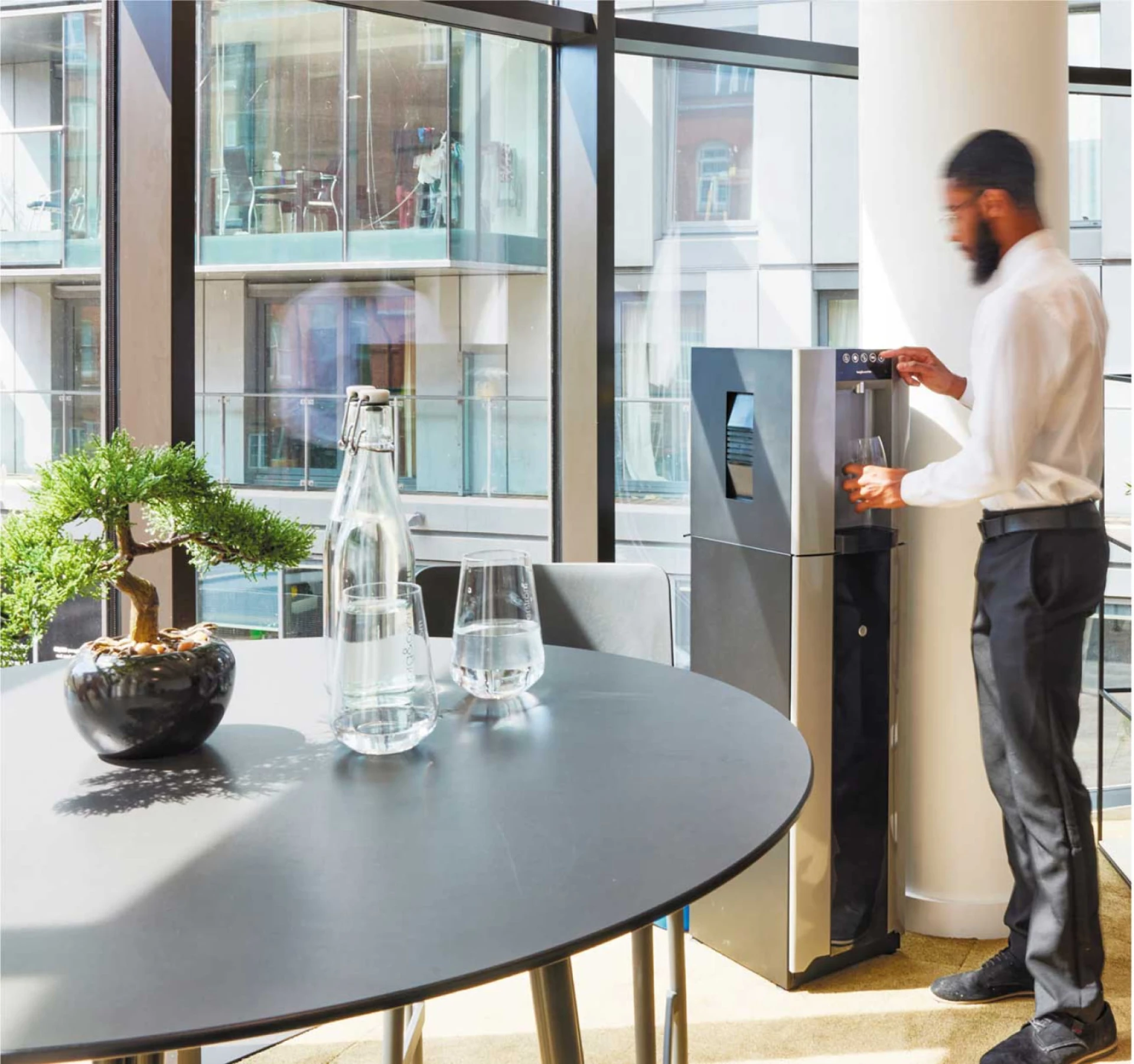
Traditional water fountains aren’t going anywhere soon, but you may have noticed them being replaced by bottle filling stations in schools, offices and public buildings.
That’s because expectations around hygiene have changed and we’ve all become a lot more aware of bacteria on surfaces.
Bottle filling stations offer several benefits over traditional water fountain hydrants, including:
- Better hygiene due to contactless activation
- Antimicrobial surfaces that inhibit bacteria build-up
- Improved technology encouraging reusable water bottles
One brand that stands out for its hygiene safety is Elkay.
Benefits of Elkay Bottle Filling Stations
Elkay bottle filling stations are specifically designed to be more hygienic than traditional water fountains and often feature:
- Touch-free sensor activation
- Laminar flow technology. (Helping to deliver clean, contaminant-free water)
- Antimicrobial surfaces
- Built-in filtration systems
- Built-in filtration reduces chlorine taste, smell and lead.
Plus, since you use a bottle, instead of drinking directly from the spout, there’s less chance of contamination.
Elkay bottle filling stations are ideal for:
- Schools
- Colleges and universities
- Gyms and leisure centres
- Offices
- Healthcare centres
- Sports stadiums and venues.
Bottle filling stations are much more hygienic than traditional water fountains, and they also help to reduce single-use plastic bottles.
Water Fountains vs Bottle Filling Stations
Here’s a simple comparison between water fountains and bottle filling stations:
Water Fountains
- Provide water straight from the mains supply
- Must be manually activated with buttons or levers
- Intended for consumption straight from the spout
- Involve contact with high-touch surfaces
- Usually have limited filtration
Bottle Filling Stations
- Also connected to mains water supply, often with improved filtration
- Can offer sensor-activated, contactless filling technology
- Are intended for use with reusable bottles only
- Help limit contact and cross-contamination
- Uses enclosed water flow designs to limit splash-back.
- Often use antimicrobial materials.
- Incentivise reusable water bottle use.
- Track how many single-use plastic bottles are saved.
For businesses looking to future-proof their hydration stations, bottle filling stations are the next step.
So Are Drinking Fountains Safe?
Overall, public water fountains are perfectly safe in the UK. Our tap water supply is some of the most regulated and safest in the world.
Most concerns around public drinking fountains aren’t about the water quality, but about how many people touch the surfaces. The risk of catching an illness from a water fountain is extremely low and as long as you follow the tips in our guide, it will even lower.
Plus, if you want to give yourself, and your customers, complete peace of mind, modern bottle filling stations are by far the best option.
Conclusion
Water fountains are definitely safe. But that doesn’t mean you can’t take steps to improve hygiene, reduce contact, and encourage reusable water bottles.
At Thirsty Work, we supply water fountains and bottle filling stations to meet your hydration needs. Get in contact if you have any more questions and you'd like to speak to one of team.

Head Office
Thirsty Work Ltd25-26 Apple Lane
Exeter
Devon
EX2 5GL
Call us
We’re just a phone call away!
01392 877 172Email us
Or you can always send us an email!
[email protected]© Copyright 2016 - 2026 Thirsty Work. All Rights Reserved. | Registered number 7125158 | VAT 155 128421 | Website Usage & Terms - Cookies & Privacy - Rented Equipment Terms - Purchase Equipment Terms